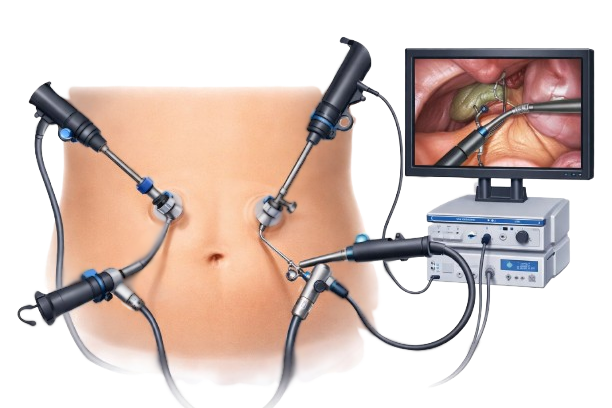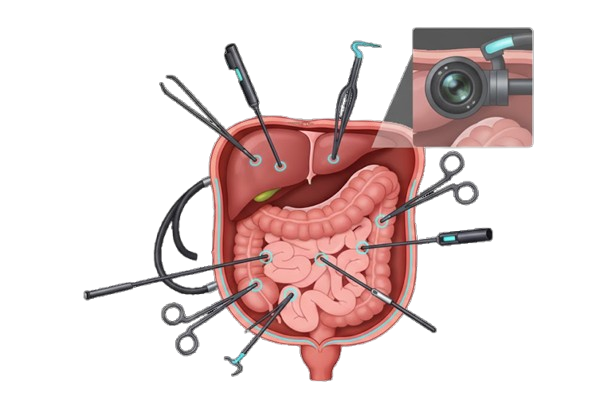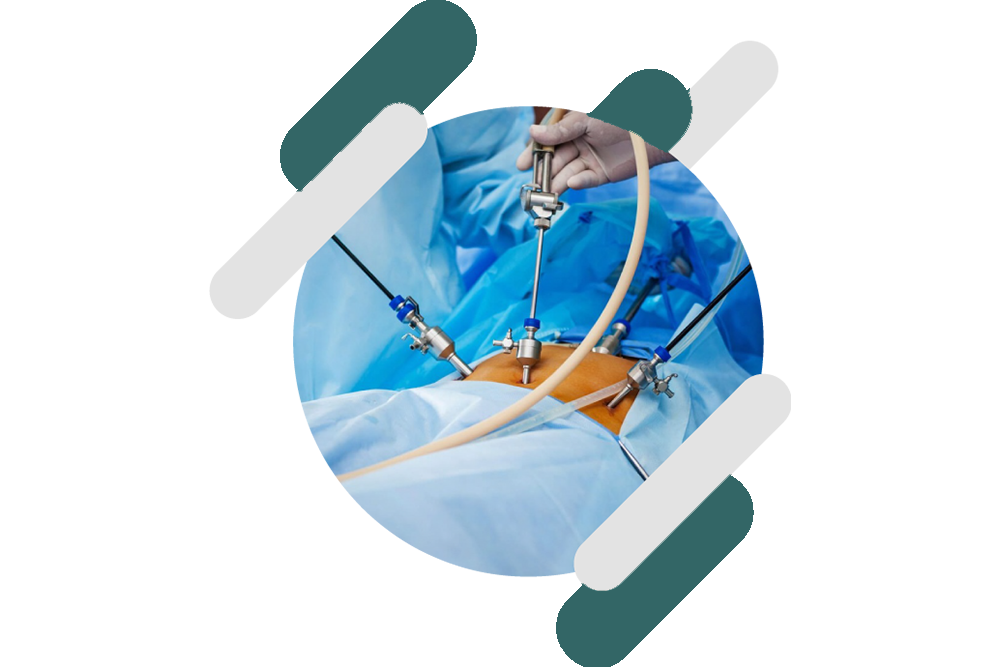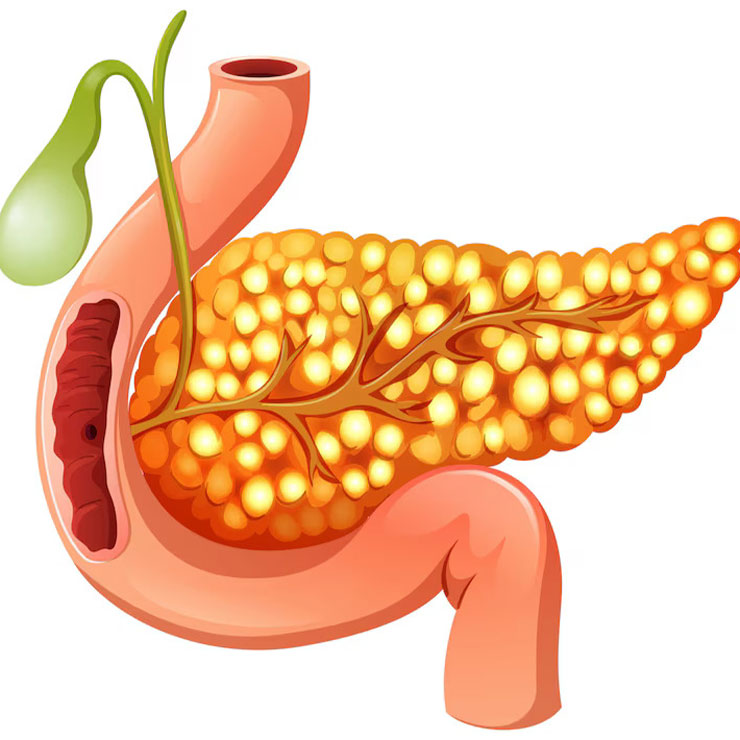
What is GallbladderYour gallbladder is a pear-shaped organ that stores bile, the fluid that helps digest food. If it’s not working the way it should (or your bile gets out of balance), hard fragments start to form. These can be as small as a grain of rice or as big as a golf ball.Gallstones don’t go away on their own. If they start to hurt or cause other symptoms, your doctor may decide to remove your gallbladder. This type of surgery is called a cholecystectomy. It’s one of the most common surgeries doctors perform.About 80% of people who have gallstones will need surgery.Doctors can remove your gallbladder in one of two ways:Open Surgery: During this procedure, your surgeon will make a 5- to 7-inch incision (cut) on your belly to take out your gallbladder. You’ll need open surgery if you have a bleeding disorder. You may also need it if you have severe gallbladder disease, are very overweight, or are in your last trimester of pregnancy.Laparoscopic Cholecystectomy: Doctors also call this “keyhole surgery.” Your surgeon doesn’t make a big opening in your belly. Instead, he makes four small cuts. He inserts a very thin, flexible tube that contains a light and a tiny video camera into your belly. These help your surgeon see your gallbladder better. Next, he’ll insert special tools to remove the diseased organ.What Are Gallstones?Gallstones (commonly misspelled gall stones or gall stone) are solid particles that form from bile cholesterol and bilirubin in the gallbladder. The gallbladder is a small saclike organ in the upper right part of the abdomen. It is located under the liver, just below the front rib cage on the right side. The gallbladder is part of the biliary system, which includes the liver and the pancreas. The biliary system, among other functions, transports bile and digestive enzymes.What Causes Gallstones?There may be several reasons, including:1. Your genes2. Your weight3. Problems with your gallbladder4. DietBile can be part of the problem. Your body needs bile, but if it has too much cholesterol in it, that makes gallstones more likely. It can also happen if your gallbladder cant empty properly.Common Bile Duct StoneWhat is Common Bile Duct Stone (Choledocholithiasis, Cholangitis, Obstructive Jaundice) Choledocholithiasis is a disease of the common bile duct. The common bile duct forms at the junction of the cystic duct (from the gallbladder) and the common hepatic duct (from the liver). It drains bile into the duedenum (the first part of the small intestine).Gallstones (cholesterol stones or pigment stones) form in the gallbladder over many years. They can sometimes travel into the common bile duct, causing a blockage. If the common bile duct is blocked, this then obstructs the whole of the biliary drainage system as opposed to a blockage further up. Hence there is nowhere for the bile to go but up and the patient becomes jaundiced since certain waste products (bilirubin) are absorbed back into the blood stream. Furthermore there can be potentially fatal complications of infection of the biliary tree (cholangitis) and acute pancreatitis.Risk Factors for Common Bile Duct Stone (Choledocholithiasis, Cholangitis, Obstructive Jaundice)The predisposing factors for common bile duct stones are the same as for Gallstones. Risk factors for cholesterol stones include: high serum cholesterol leves, increased age, female sex, obesity, rapid weight loss, the contraceptive pill, and total parenteral nutrition.Risk factors for pigment stones include chronic hameolysis (red blood cell breakdown) -hereditary spherocytosis, sickle cell disease, as well as liver cirrhosis. They may also form in the bile ducts after cholecystectomy (surgical removal of the gallbladder).
READ MORE